Does Reading DSNews.co.uk Automatically Make an American Subject to UK Laws?
DSNews.co.uk is a UK-based website that may be accessed by people in different countries, including the United States. This can lead to an understandable question: if an American visits and reads content on DSNews.co.uk, does that person automatically become subject to UK laws?
The short answer is no. Simply reading a UK website from the United States does not normally place an American under the general authority of UK law. A website’s location, domain name, and the reader’s location are separate legal considerations.
The internet makes this issue seem more complicated because a website can be published in one country while its readers are located all over the world. A person in New York can read an article published in the United Kingdom without physically entering the UK or automatically accepting all UK legal rules.
However, cross-border internet activity can involve more than one legal system. The answer can become different when a person does more than simply read content, such as entering a contract, purchasing a service, submitting information, publishing content, or engaging in conduct specifically covered by a UK law.
Understanding these differences helps American readers use international websites without confusing website location with personal legal jurisdiction.
Does Reading DSNews.co.uk Automatically Make an American Subject to UK Laws?
No. Reading DSNews.co.uk while located in the United States does not automatically make an American subject to all UK laws.
A person can access websites from many countries without becoming legally resident in those countries. For example, an American can read a UK newspaper, visit a French website, watch content from Canada, or use an Australian information service without automatically becoming subject to the complete legal system of each country.
The same basic idea applies to DSNews.co.uk.
The important factor is what the person is actually doing and what legal connection exists between that activity and the United Kingdom. Simply opening an article and reading it is very different from entering a legal agreement or carrying out conduct that a particular UK law specifically regulates.
This is why the phrase “automatically subject to UK laws” is misleading. There is no general rule that changes an American reader’s legal status merely because they visit a UK website.
Does the DSNews.co.uk Domain Create UK Legal Jurisdiction?
The .co.uk domain does not automatically create UK legal jurisdiction over every visitor.
A domain name is primarily an online address and an indication of the website’s connection with the UK. It is not a legal mechanism that moves every visitor into the jurisdiction of the country associated with the domain.
This distinction is important for international internet users.
Someone in the United States can visit a .co.uk website while remaining physically and legally located in the United States. The same principle applies when people access websites using domains associated with other countries.
The domain may tell a visitor something about the website, but it does not by itself determine which laws govern every action taken by every visitor.
Other factors can matter, including the reader’s location, the nature of the activity, contractual relationships, the parties involved, and the specific law being considered.
Why Does the Reader’s Location Matter?
The reader’s physical location can be important because laws generally operate within particular territories.
An American sitting in California and reading an article on DSNews.co.uk is physically in the United States. The fact that the information was published through a UK website does not mean the reader has physically entered the United Kingdom.
This does not mean location is the only factor that matters. Internet activity can cross national borders, and some laws have specific provisions that reach conduct outside their usual territory.
Still, location is an important starting point when considering jurisdiction.
For an ordinary website visit, there is a major difference between being an American reader in the United States and being an American who is physically present in the UK and carrying out an activity there.
The website may be exactly the same, but the surrounding legal circumstances can be different.
How Does UK Jurisdiction Generally Work?
UK jurisdiction is not one simple rule covering every online activity.
For criminal matters in England and Wales, the Crown Prosecution Service explains that jurisdiction generally has a territorial foundation. It also recognizes that certain laws can give UK courts jurisdiction over conduct occurring outside the UK in specific circumstances.
This means UK law can sometimes reach beyond the country’s physical borders, but that does not mean every person worldwide is automatically governed by UK law.
The specific offence, statute, conduct, and connection with the UK can all matter.
For American readers of DSNews.co.uk, this distinction is important. An ordinary reader should not assume that reading an article creates the same legal position as committing an offence within the UK or engaging in conduct specifically covered by an extra-territorial law.
Jurisdiction is therefore determined by legal rules and facts rather than by the website’s domain alone.
Can UK Laws Apply to Americans Outside the UK?
Yes, but only in certain circumstances.
It would be inaccurate to say that UK law can never apply to an American who is physically outside the UK. Some UK laws contain provisions that can apply to conduct outside the country.
The Crown Prosecution Service recognizes situations where UK criminal jurisdiction can extend beyond ordinary territorial boundaries. Certain areas of criminal law have specific extra-territorial provisions.
However, this should not be confused with the much broader claim that every American who visits a UK website becomes subject to UK law.
Extra-territorial laws are specific legal provisions. They do not turn every international website visitor into a person generally governed by UK law.
Therefore, an American reading DSNews.co.uk should distinguish between the possibility of specific UK laws applying in particular circumstances and the idea of automatically becoming subject to UK law simply by reading.
Is Reading an Online Article Different From Taking Legal Action?
Yes. Reading content and actively doing something online are legally different activities.
When a person simply reads an article, their activity is generally passive. They are receiving information rather than entering a transaction, publishing material, or creating a contractual relationship.
The situation can become more complicated if the reader:
- creates an account
- purchases a service
- enters a contract
- submits personal information
- publishes a comment
- uploads content
- conducts business
- communicates with another person through the website
The legal consequences of these activities depend on the particular facts.
This distinction is useful because people sometimes treat all online activity as if it has the same legal effect. It does not.
A person who reads a DSNews.co.uk article is in a different position from someone who enters a business agreement with a UK company through a website.
Does Reading DSNews.co.uk Create a Contract With the Website?
Simply reading an article does not normally mean that an American has entered into a contract with DSNews.co.uk.
Contracts involve specific legal requirements and circumstances. A website may publish terms and conditions, but the existence of those terms does not automatically mean that every person who opens a webpage has entered into a contractual relationship.
The situation may be different where a visitor actively agrees to terms as part of a service or transaction.
For example, a paid subscription, membership, purchase, or other service could involve contractual terms. Those terms may contain information about payment, cancellation, disputes, governing law, or jurisdiction.
This is why it is useful to separate ordinary website reading from activities that involve an actual legal relationship.
An American who simply reads an article should not assume that clicking on a webpage has automatically created a UK contract.
Can Website Terms and Conditions Affect American Readers?
Website terms can be relevant, but their existence does not automatically mean that every American visitor is governed by UK law.
Terms and conditions may explain how a website operates and what rules apply to specific services. They may also contain provisions about dispute resolution, governing law, acceptable use, accounts, subscriptions, or user-generated content.
Whether particular terms are legally enforceable can depend on the circumstances and applicable law.
For example, a person who only reads free content may have a very different relationship with a website from someone who purchases a paid service.
Therefore, American readers should not interpret a website’s terms as automatically replacing US law with UK law.
If a particular transaction or dispute is involved, the wording of the terms and the applicable jurisdiction rules become much more important.
Does UK Privacy Law Automatically Apply to American Readers?
No. UK privacy law does not automatically make every American visitor subject to UK data protection rules simply because they read a UK website.
The UK GDPR has specific rules concerning its territorial scope. The Information Commissioner’s Office explains that the UK GDPR can apply to organizations established in the UK and, in certain circumstances, organizations outside the UK that offer goods or services to people in the UK or monitor their behavior.
These rules primarily concern the processing of personal information and the responsibilities of organizations.
That is different from saying that every person visiting a UK website personally becomes subject to the UK’s entire privacy law framework.
For an American reader, the important question may instead be how the website collects, uses, stores, and shares personal information.
Privacy notices can therefore be useful even when a reader is outside the UK.
Do Cookies on DSNews.co.uk Put Americans Under UK Law?
No. Accepting or interacting with cookies does not automatically place an American under the entire UK legal system.
Cookies and similar technologies can be used for different purposes, including website functionality, analytics, advertising, and remembering user preferences.
Privacy and electronic communications rules can regulate how organizations use these technologies. However, those rules should not be confused with the reader becoming generally subject to UK law.
An American visitor can review a website’s cookie notice and make an informed decision about available choices without assuming that visiting the website has changed their legal jurisdiction.
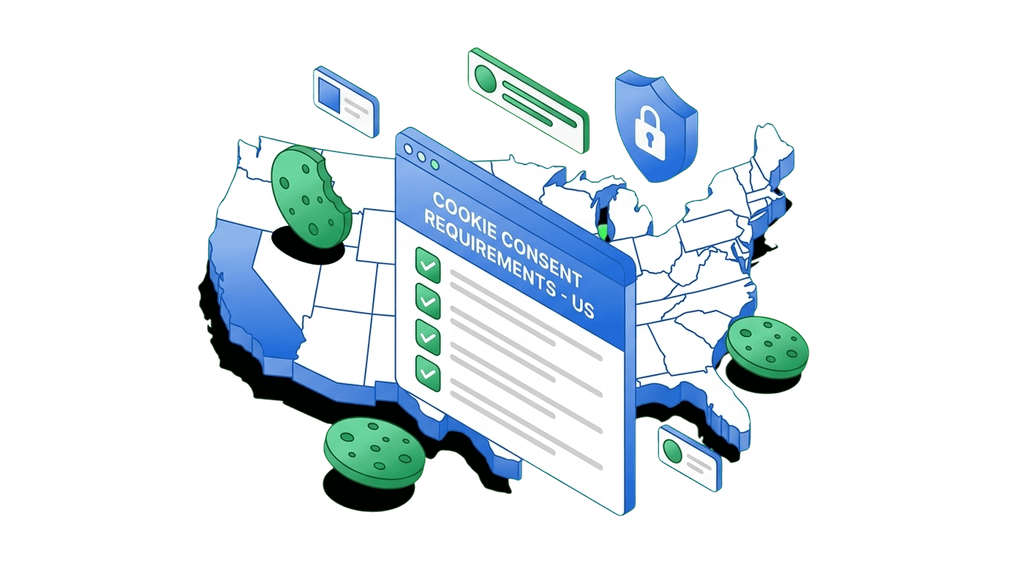
The legal treatment of cookies can depend on the website operator, the technology being used, the information collected, and the locations of the people involved.
What If an American Comments on DSNews.co.uk?
Commenting is different from simply reading because the visitor is actively creating and submitting information.
However, commenting on a UK website does not automatically mean that every UK law applies to the American commenter.
A legal analysis could consider where the person was located, where the content was published, who could access it, the nature of the statement, and whether a particular law gives a court jurisdiction over the conduct.
Online publication can create cross-border legal questions because content can be created in one country, hosted in another, and read in several others.
This is one reason that active online conduct should not be treated exactly like passive reading.
If a comment becomes part of a legal dispute, the specific facts and applicable laws would need to be examined.
What If an American Buys a Service From a UK Website?
Buying a service is substantially different from simply reading an article.
A transaction can create a contractual relationship between the customer and the service provider. Depending on the circumstances, questions may arise about:
- contract terms
- consumer rights
- payment obligations
- refunds
- privacy
- dispute resolution
- governing law
- court jurisdiction
Both UK and US legal considerations may potentially be relevant in an international transaction.
This does not mean that purchasing something automatically makes an American subject to all UK laws. Instead, it creates a more specific legal relationship that may require examination of the applicable rules.
For ordinary DSNews.co.uk readers who only want to access information, this distinction is important. Reading and purchasing are not legally equivalent activities.
Can an American Be Required to Follow UK Rules When Reading News?
Simply reading news does not normally create a general requirement for an American to follow every UK rule that applies to publishers, businesses, or organizations.
A law may impose obligations on a website operator without imposing the same obligations on its readers.
For example, a publisher may have regulatory responsibilities concerning how it operates. Those responsibilities do not automatically become personal legal duties for every visitor.
The same principle can apply to privacy and online-service regulation.
Therefore, American readers should distinguish between:
- laws regulating website operators
- laws regulating businesses
- laws governing specific online conduct
- laws applicable to individual readers
These categories can overlap in some situations, but they are not automatically identical.
Does Visiting DSNews.co.uk Mean an American Is Under UK Court Authority?
Not simply because they visited the website.
A court’s jurisdiction is based on applicable legal rules and relevant connections to a dispute. Website accessibility alone does not automatically give a UK court unlimited authority over every person who visits a webpage.
Civil and criminal proceedings can involve different jurisdictional rules.
International cases may also involve more than one country. A dispute could potentially have connections with both the United States and the United Kingdom, depending on the conduct and parties involved.
Therefore, an American should not interpret a website visit as automatically placing them under UK court authority.
If an actual legal dispute arises, however, the person should examine the specific court documents and jurisdictional rules rather than relying on a general assumption about international websites.
What Legal Issues Can Arise for Americans Using DSNews.co.uk?
For an ordinary reader, the legal risk associated with simply reading DSNews.co.uk is generally different from the risks associated with active online conduct.
The more relevant concerns may involve what happens after reading the information.
For example, a visitor could:
- copy and republish protected material
- make a potentially unlawful statement
- enter a commercial agreement
- provide personal information
- participate in a transaction
- misuse another person’s information
- engage in conduct specifically regulated by law
Those activities can raise legal questions independently of the fact that the person originally accessed a UK website.
The safest approach is to look at the actual action rather than treating the website’s country as the main legal issue.
This is also good digital literacy. International websites are normal parts of the internet, and their visitors should understand the difference between accessing information and creating a legal relationship.
Does Online Activity on DSNews.co.uk Create Different Legal Obligations?
The central difference is the nature of the activity.
Reading an article is normally an act of receiving information.
Entering a contract, buying a service, submitting personal information, publishing a statement, or engaging in regulated conduct is active behavior that can create additional legal questions.
This distinction explains why the answer to the question “Does reading DSNews.co.uk automatically make an American subject to UK laws?” is no, while more complicated online activities may require a different analysis.
International internet law does not operate on a simple “website country equals visitor’s law” formula.
Instead, legal questions can depend on territory, conduct, parties, contracts, statutory provisions, and jurisdiction.
For most ordinary American readers, the simple act of reading a DSNews.co.uk article should not be treated as automatically placing them under the UK’s entire legal system.
Frequently Asked Questions
Can an American read DSNews.co.uk without living in the UK?
Yes. A person can access and read a UK website while living in the United States. Website accessibility does not establish UK residency.
Does opening a DSNews.co.uk article count as entering the United Kingdom?
No. Opening an online article does not physically place the reader in the United Kingdom. The reader remains in the country where they are physically located.
Does a UK website automatically use UK law for every visitor?
No. The applicable law can depend on the type of activity, the parties involved, contractual arrangements, and relevant jurisdictional rules. A UK website does not automatically make every visitor subject to all UK laws.
Can an American’s online activity ever create a connection with UK law?
Yes. Certain activities can create legal connections with the UK, and some UK laws have extra-territorial provisions. The specific conduct and applicable statute would need to be examined.
Should an American get legal advice just for reading DSNews.co.uk?
Normally, no. Simply reading an online article does not usually require legal advice. Professional advice becomes more relevant if the person is involved in a specific cross-border dispute, contract, transaction, or legal proceeding.
Conclusion
Reading DSNews.co.uk from the United States does not automatically make an American subject to UK laws.
The most important point is that a website’s country and a visitor’s legal jurisdiction are not the same thing. A .co.uk domain can indicate a connection with the United Kingdom, but it does not act as a legal switch that places every visitor under the UK’s entire legal system.
For an ordinary American reader, opening articles and reading information is fundamentally different from entering a contract, purchasing a service, publishing content, or engaging in conduct that has a specific legal connection with the United Kingdom.
UK law can sometimes apply outside the UK where legislation provides for extra-territorial reach, so it would also be incorrect to say that Americans can never be affected by UK law while abroad. The important point is that such situations depend on specific legal rules and facts.